by Amanda Dunn
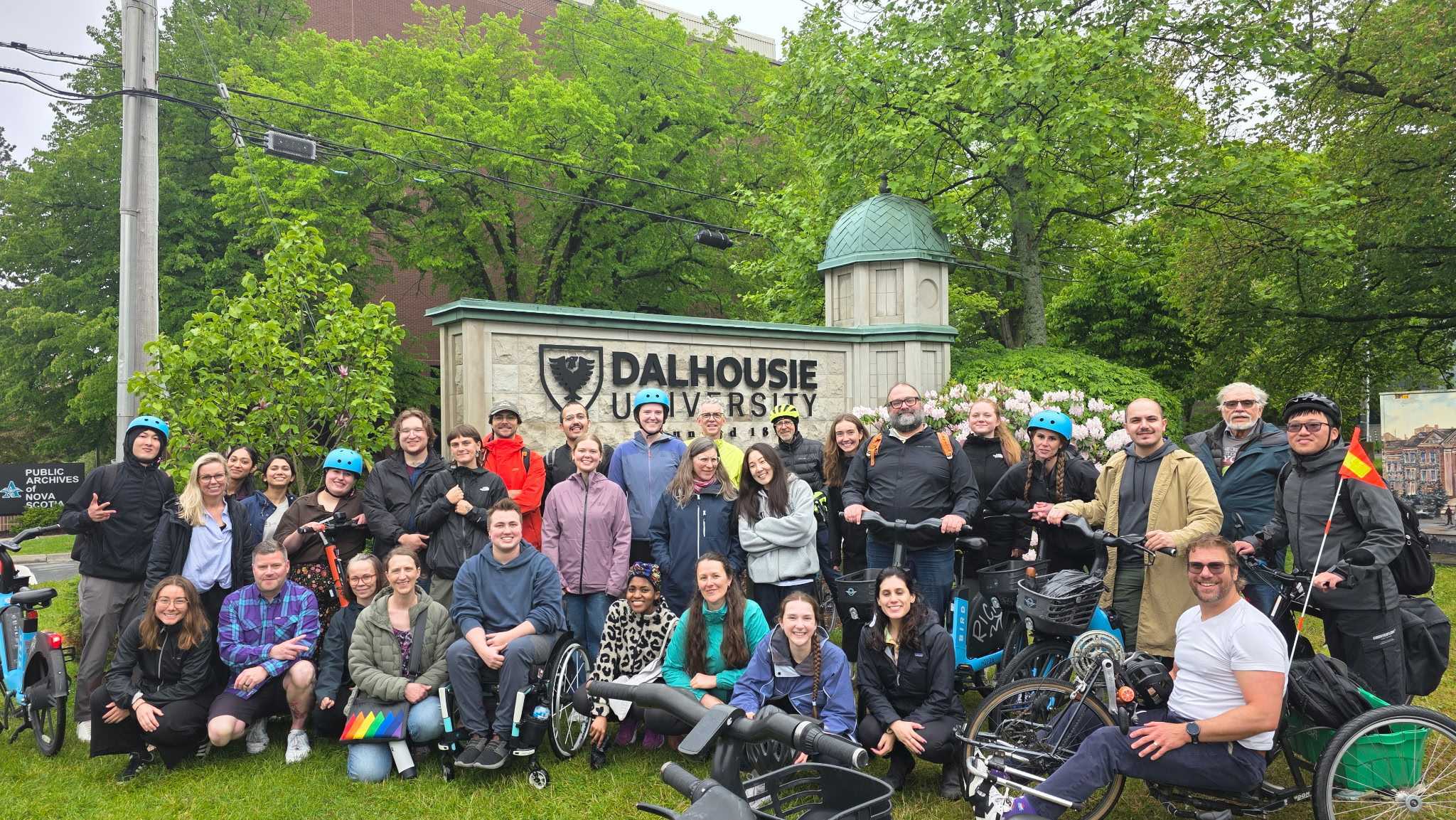
Learning from case studies
We know that implementing sustainable transportation interventions can be challenging, but it is happening and I really appreciated learning about what has worked well in different contexts. We heard about infrastructure successes in Victoria, a new “Civic Circle” engagement method used in Guelph, and some sassy raccoons in Halifax that sparked a conversation about communication of new interventions.
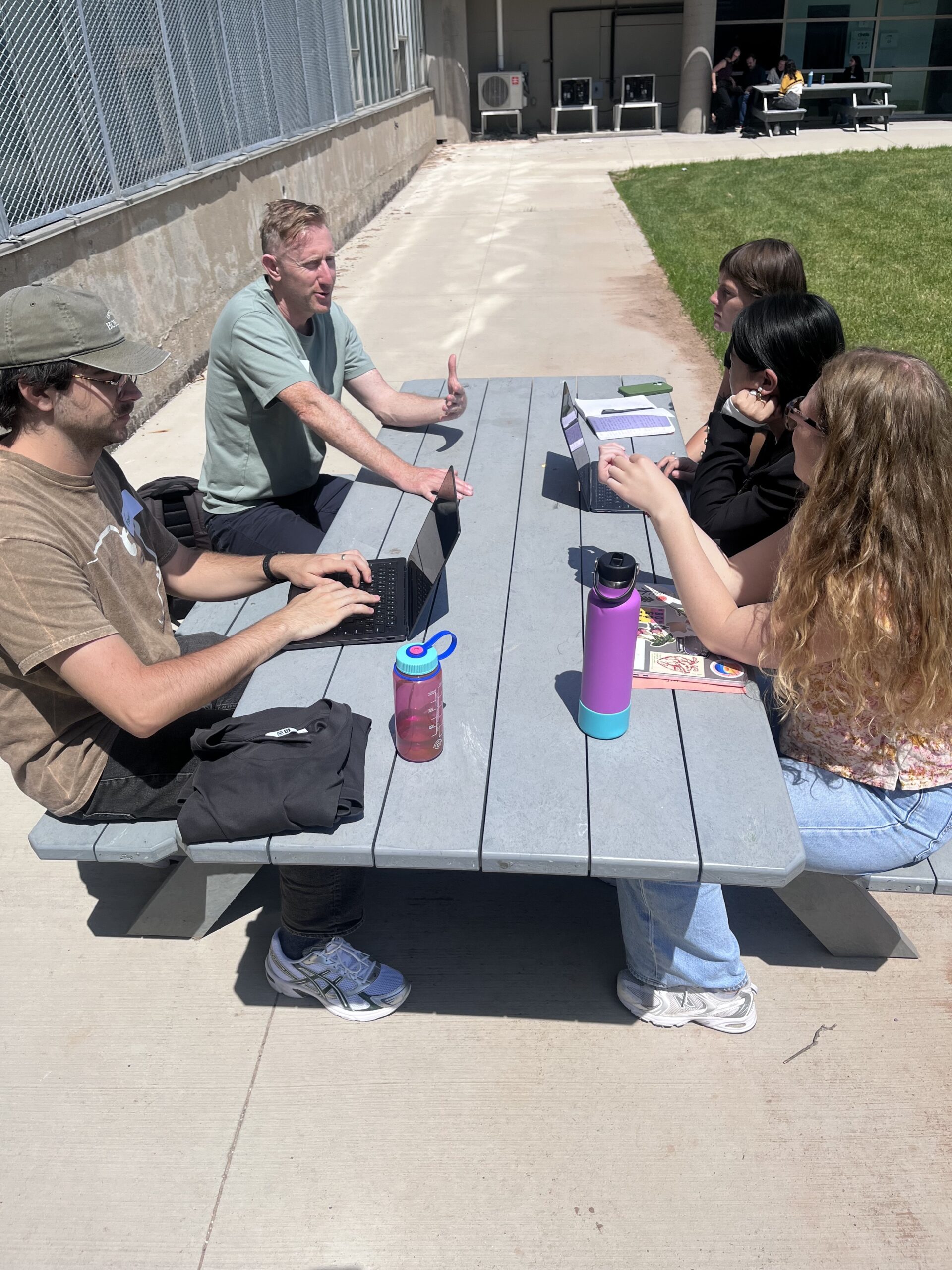
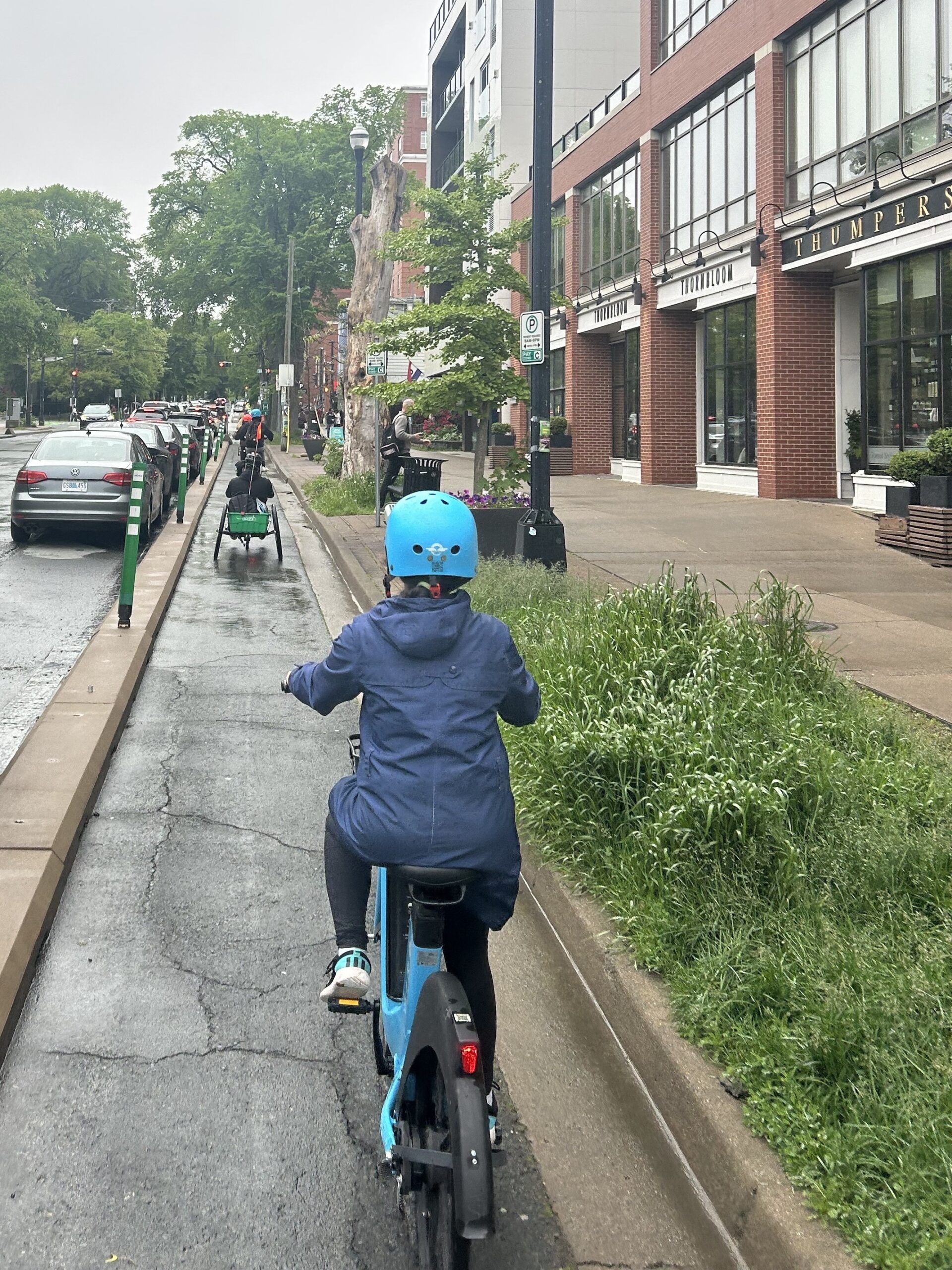
Throughout the Institute, we worked in small groups (4-5 students at different stages of their training, led by city staff responsible for the project) on a specific case study from a Canadian city, thinking through how to apply what we were learning to our case. Each case —a sustainable transportation intervention facing some barriers to being built—had its own unique context, but we worked through how to apply learnings from other cases to our proposed solutions. We spent a lot of time thinking about the root causes of the challenges we were given and how these might be addressed; it was more complicated than I think many of us anticipated! We were lucky to have staff share key context and background to help us address the challenge they were facing with each case. The program concluded with a session at the Canadian Association of Road Safety Professionals (CARSP) conference, where we presented our case studies.
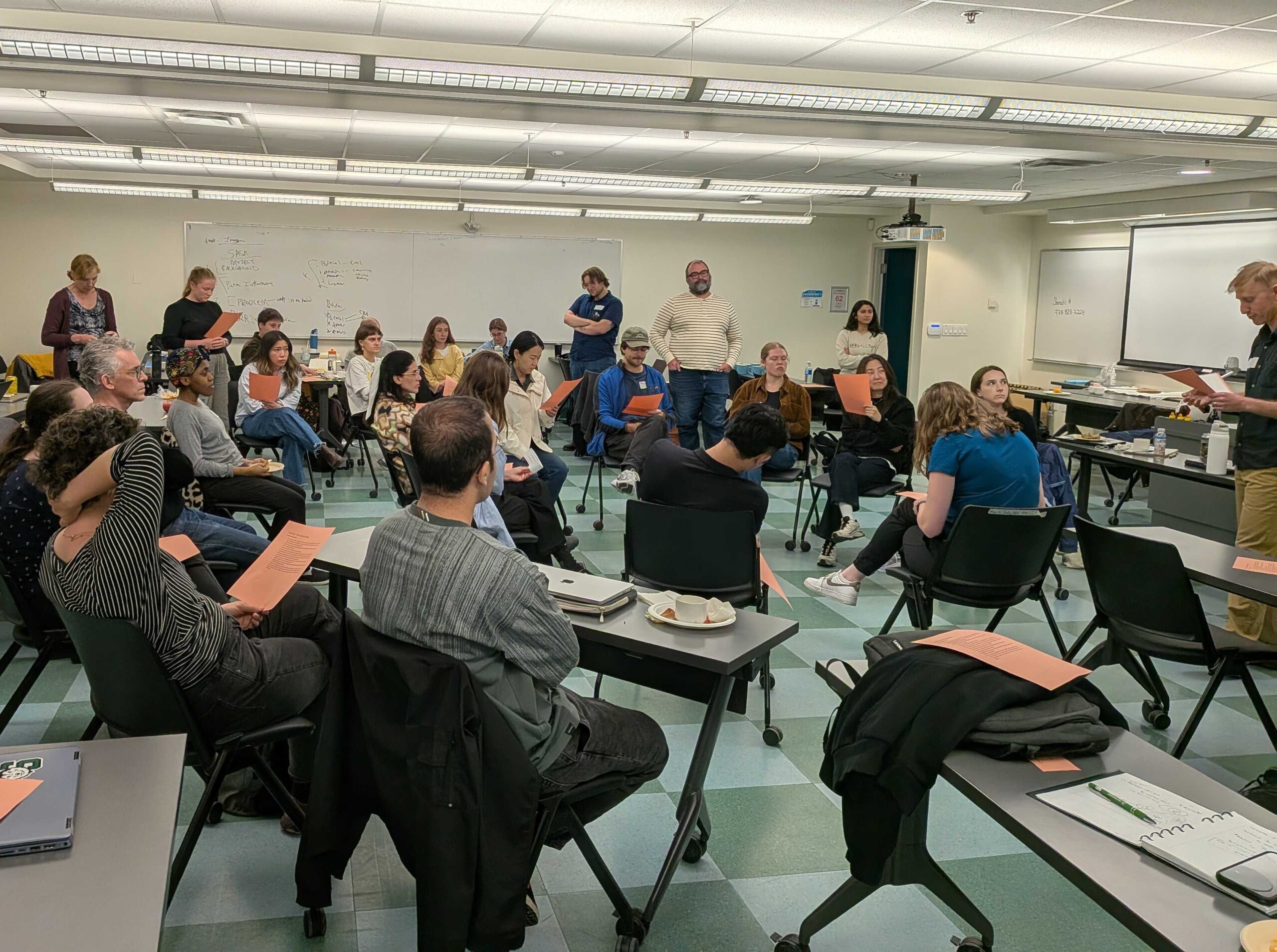
Nico Koenig leading the Civic Circle workshop.
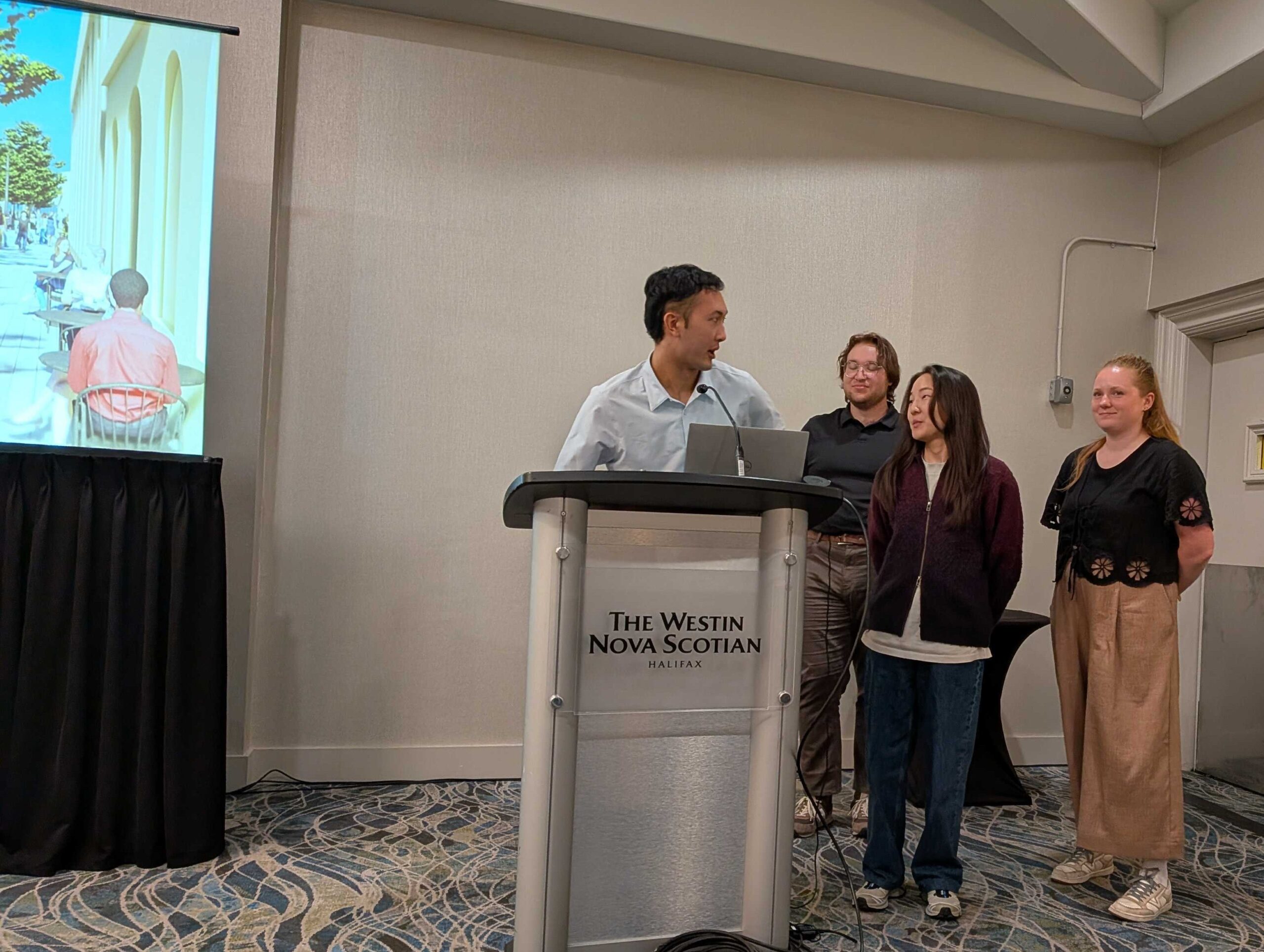
One of the Learning Hubs teams presenting their case study to the audience at CARSP.
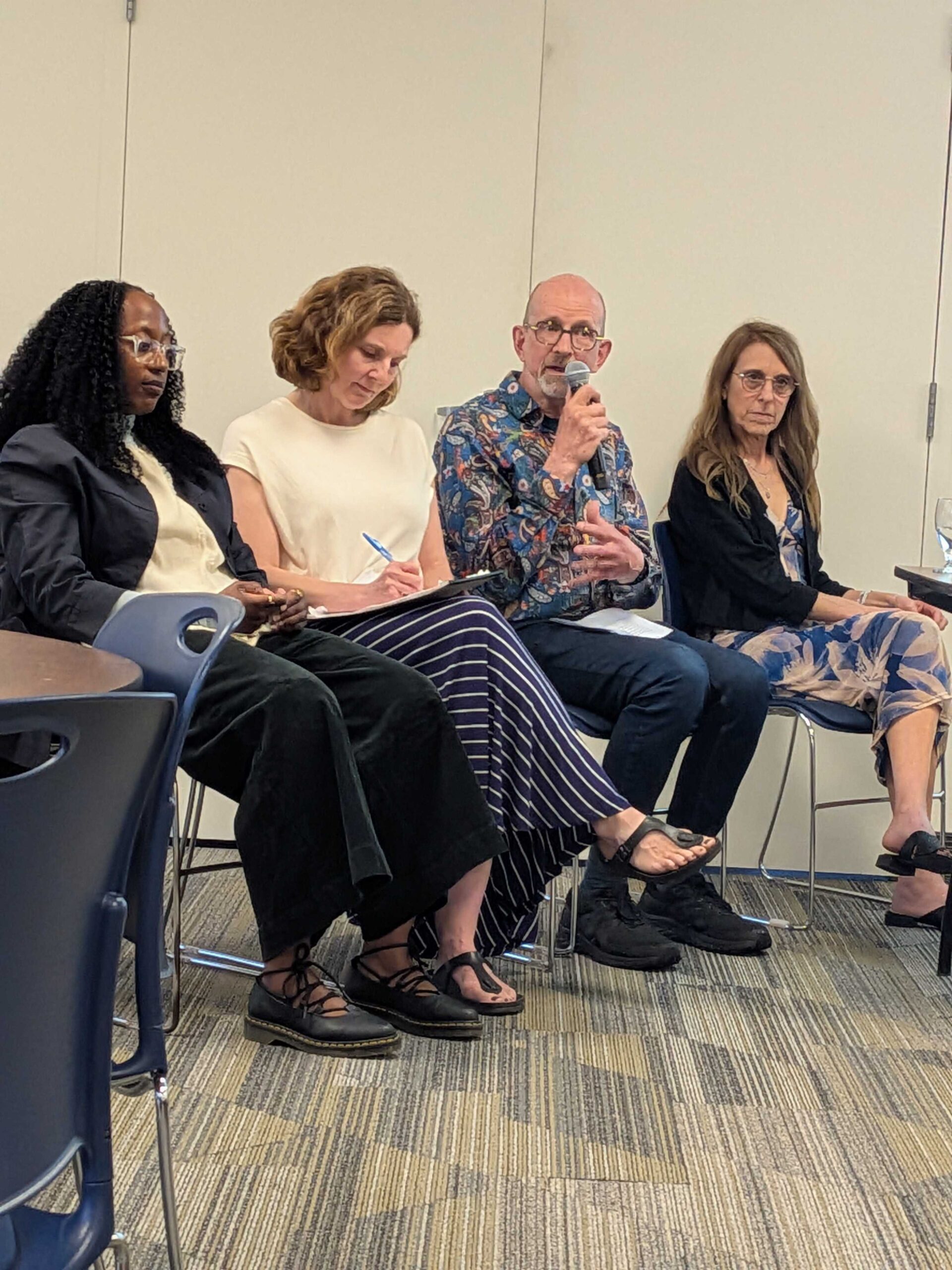
The panel from the Regaining Momentum event (l to r): Simone Mutabazi (Ecology Action Centre), Councillor Laura White (Halifax Regional Municipality), David Truman (Halifax Cycling Coaltion), Dr Linda Rothman (Toronto Metropolitan University).
Connecting with the public and communicating research
The program also included a public event, Regaining Momentum – The role of evidence in shaping city priorities. Dr Linda Rothman shared a presentation on the role of public health researchers in the road safety political space, followed by a panel with local cycling advocates and a Halifax Regional Municipality councillor. It was a bit sobering to hear from Councillor Laura White, who was participating on the panel, that research evidence is often not taken into consideration when making decisions. She mentioned that they didn’t use evidence because they don’t know where to find it and/or it’s not written using concise, straightforward language. However, it was good to hear that there is interest. This left us talking about how something tangible that we can do is work on sharing research findings in a more accessible way. Many interesting ideas were discussed, from small things like talking to your friends and neighbours, to engaging with the media, to larger events like pub nights with research presentations. I think this is an area we should continue to discuss; I know I still have some questions about the best way we can do this in practice!
Why in person?
Everything I’ve talked about so far probably could have been achieved in some way online, so what made being in person so beneficial?
Halifax is beautiful and it’s always fun to explore a new city, but it was more than that – being in person gave so many opportunities for connecting with each other than we wouldn’t have otherwise had. It meant that it felt easier to reach out to new people: instead of sending a message and scheduling something (which can be very intimidating as a student!), you could just lean over and have a quick chat or just sit and listen to what someone was sharing. Every time we had a pause, you could hear the chatter in the room immediately! Personally, I know I learn best by talking through things, so I really valued those in-between times that we could discuss amongst ourselves.
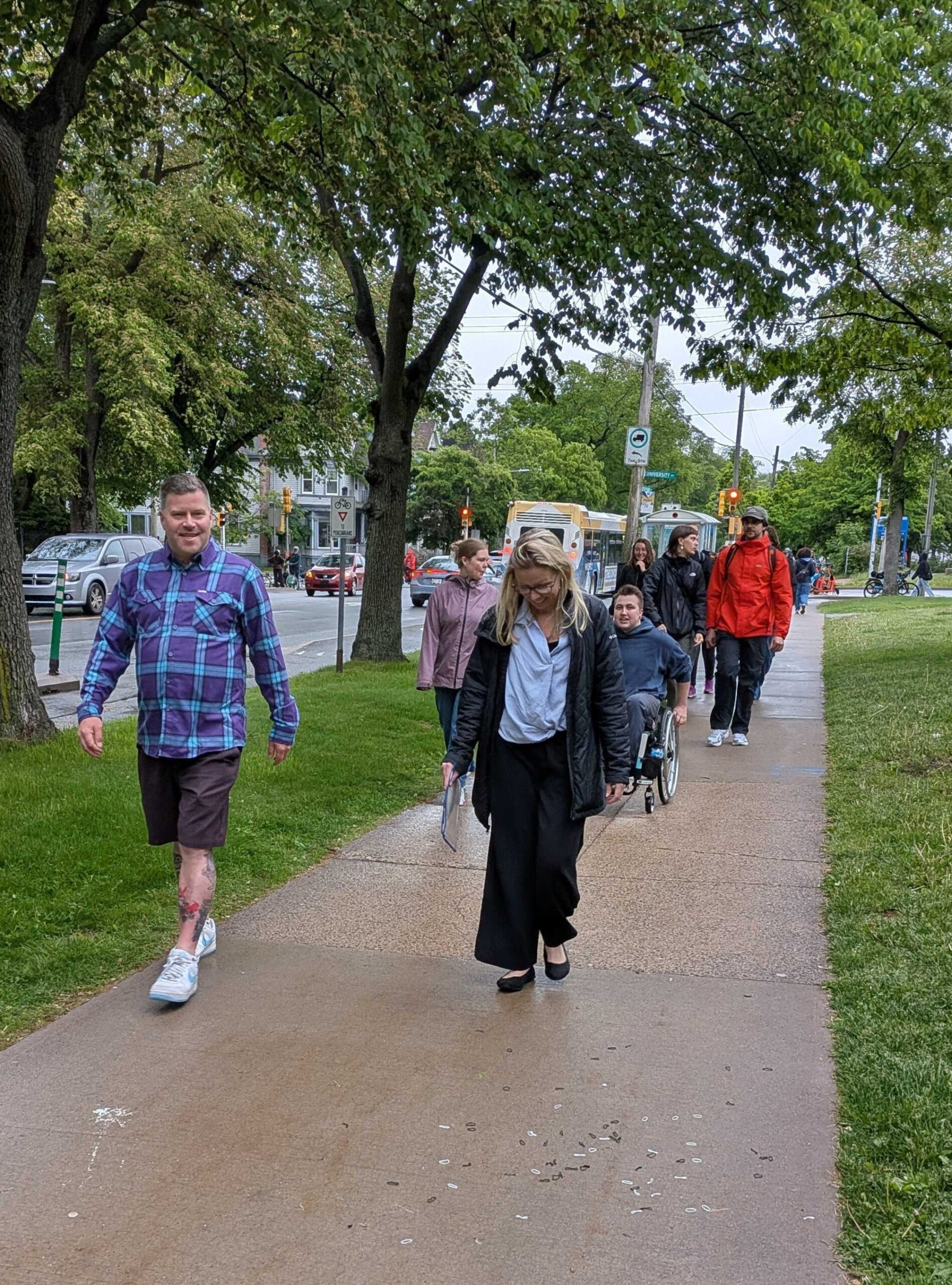
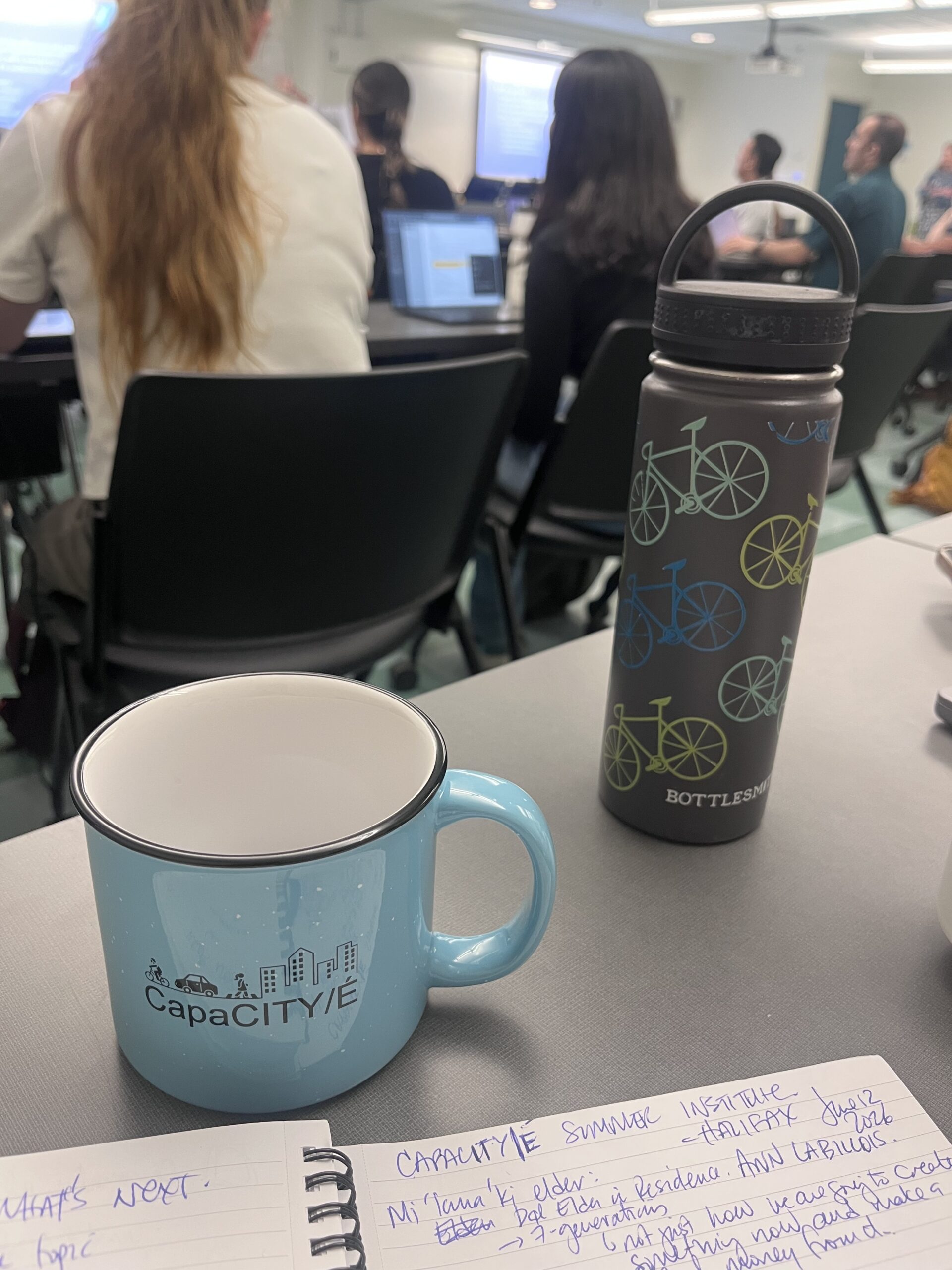
We stayed in a Dalhousie student dorm, which provided opportunities to have breakfast and walk to sessions together, which I enjoyed. Some of my most insightful conversations were had on those morning walks! Staying together also meant many of us connected over the quality (or lack thereof) of the morning coffee or our struggle to figure out how to turn on the bathroom light. It’s the little things…
The benefits of connecting
We were lucky to have students, researchers, and city staff from many different backgrounds, which made for some really interesting discussions. Lots of people asked fascinating questions that I wouldn’t have thought to ask myself, and shared stories and insights from their fields. Often I heard things like, “Have you spoken to [name of another researcher/student/city staff]?”, “Have you heard of [tool]?”, and “I know someone that studied that!” It gave the opportunity for those kinds of conversations that you just don’t have the same way in online settings or in settings with groups that already know each other well. You could tell just how passionate everyone in the room was and how willing they were to share their knowledge and try to help each other out.
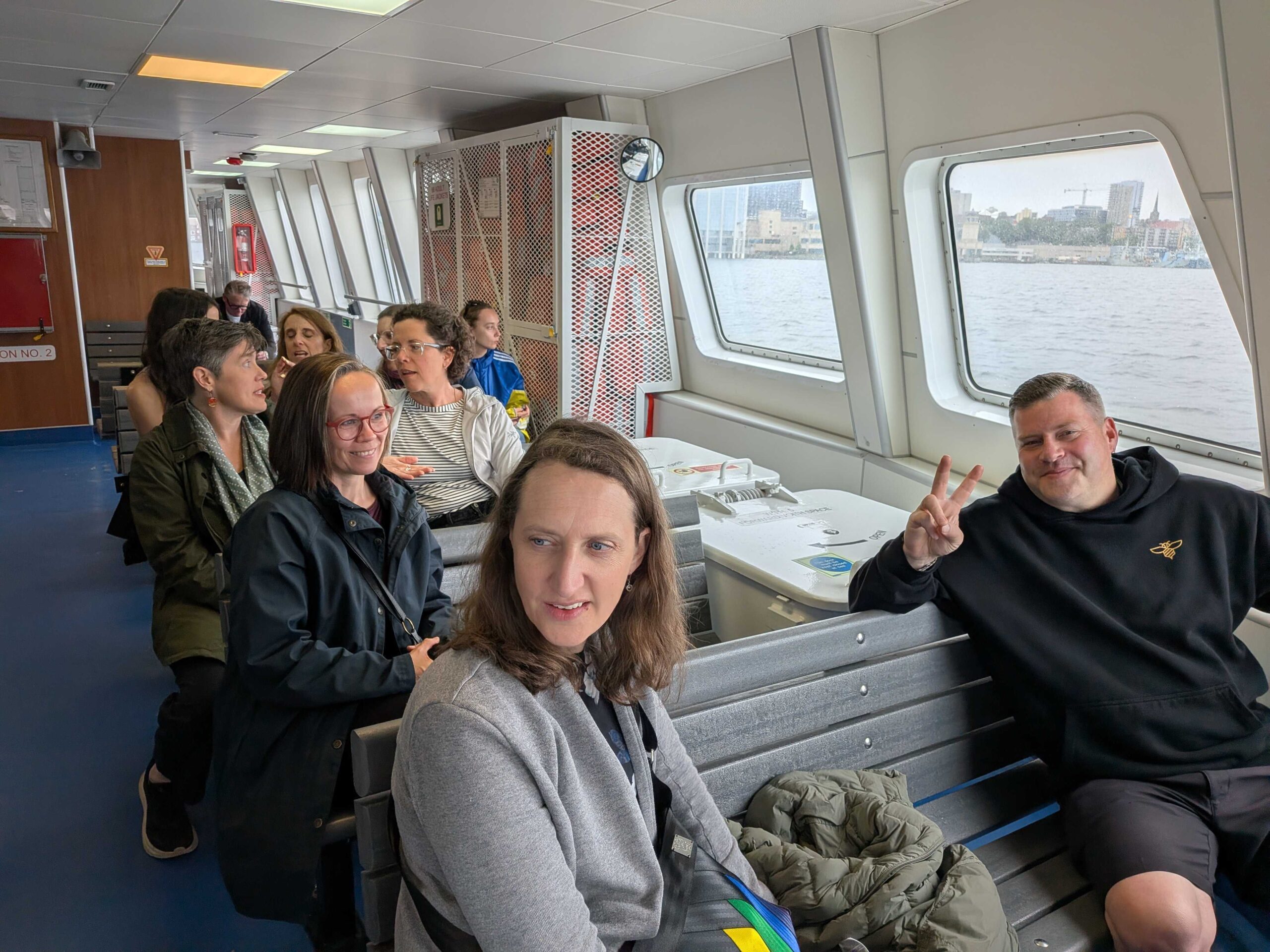
Taking the ferry to Dartmouth.
Looking ahead
I couldn’t believe it was only 3 days—by the end of it, it felt like we had known each other for much longer. I now know people from across the country who I can reach out to when I have questions or ideas, and I’ve already done so! One of my key takeaways from the Summer Institute is that every complex problem needs a multi-disciplinary approach, and to achieve that, you need an interdisciplinary team and a strong network that you can lean on.
The Institute was not only a course, but an opportunity to connect with other graduate students, researchers, and people working in the industry. Overall, I left feeling very inspired by the work being done across Canada, and excited for what’s to come! Huge thanks to the organizing team and everyone who participated! I’m looking forward to keeping in touch and working together again soon.
The Summer Institute was supported by a CIHR Implementation Science Team grant and a SSHRC Connection grant.